What are we building

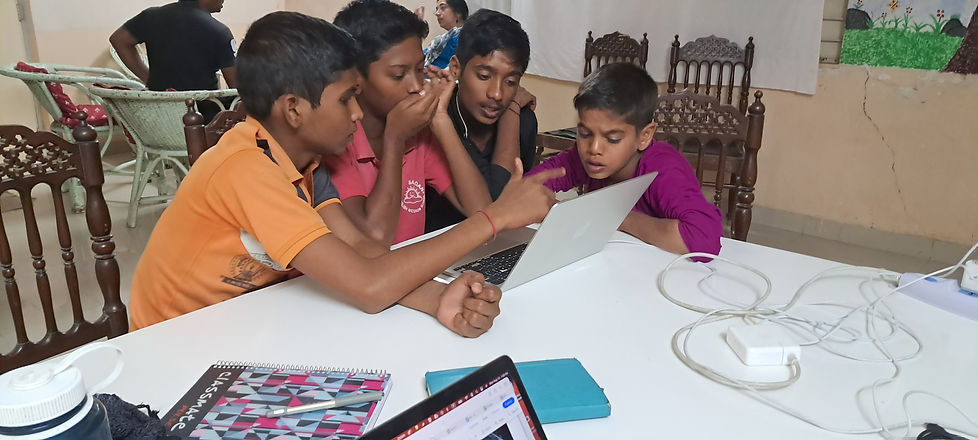


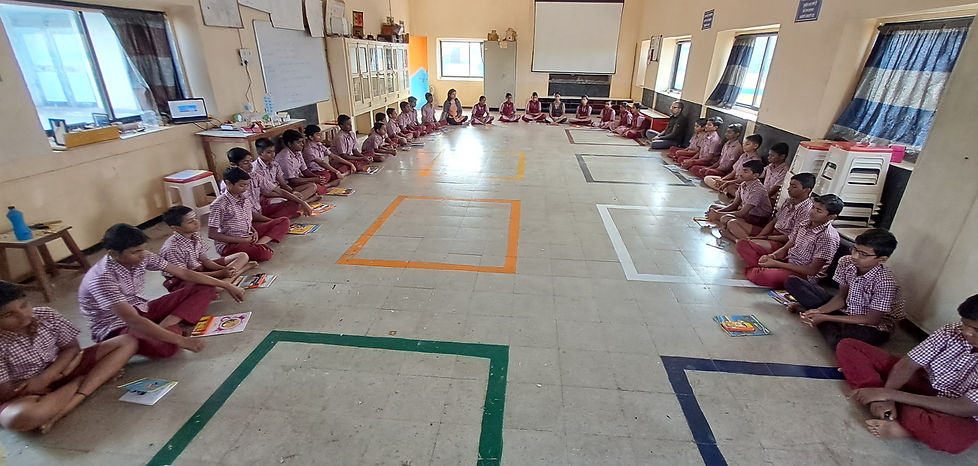
STEM Learning Through Collaboration & Relationship Building
This space serves as a platform for students to engage with STEM topics through the lens of relationship building and interconnected learning. Grounded in a relational approach to education, the program emphasizes listening, trust, and mutual care as foundational elements of inquiry.
Within this framework, students not only explore concepts in science, technology, engineering, and mathematics as part of their formal curriculum, but also cultivate the social and emotional capacities essential for collaborative learning. By integrating relational practices into STEM education, the initiative seeks to redefine learning as a shared process—one that values empathy, respect, and collective growth alongside academic achievement.
Computer Science (CS) Education Centered Around Community Values
Value-based Computer Science education helps students see technology not just as a set of tools or skills, but as a way to make a positive difference in the world. In this approach, learning to code and think computationally goes hand in hand with understanding values like empathy, fairness, responsibility, and care. Students explore how technology affects people’s lives and communities, and how their own choices as future creators can shape a more just and inclusive world. By connecting technical learning with everyday experiences and community needs, value-based CS education empowers young people to become ethical innovators and responsible digital citizens.
Anandshala
The Aanandshala Harali project focuses on supporting students through language transition and fostering equitable multilingual learning environments. The initiative values the Gormati language as equal to Marathi and incorporates translanguaging practices to strengthen communication and understanding in classrooms.
To bring this vision to life, 15 local Banjara youth were trained and engaged as Aanandshala facilitators within their own Tandas (settlements). Together, they have co-designed learning spaces that reflect their community’s culture and language, and now lead after-school programs that provide Banjara children with opportunities to learn, express, and grow within a supportive and inclusive environment.
Language and Sense of Belonging
This strand of research explores how Banjara students navigate multilingual learning environments and how inclusive classroom designs can enhance their educational experiences. The project investigates how students use and move between languages particularly Gormati and Marathi to make meaning, participate in classroom discourse, and express their identities.
By examining translanguaging practices as everyday acts of learning and communication, the study seeks to understand how classrooms can become more inclusive spaces that honor linguistic diversity. This research not only highlights the cognitive and cultural strengths of multilingual learners but also informs the design of pedagogical strategies and materials that promote equity, engagement, and belonging in linguistically diverse educational settings.
Supporting Rural Youth Beyond High School
We are actively engaging with youth who have recently graduated from high school to understand the kinds of support systems they need to succeed in college, vocational training, and the workforce. Through conversations, mentorship, and community-based initiatives, this effort seeks to identify both the challenges and opportunities that shape post-school transitions in rural contexts. Our goal is to design equitable pathways for continued learning and meaningful employment, ensuring that rural students are equipped to thrive beyond the classroom.
Exploring Culturally Relevant Mental Health Model
We have begun initial conversations with rural youth in Maharashtra to explore what a culturally relevant mental health program might look like. These discussions aim to understand how local beliefs, social dynamics, and community relationships shape young people’s experiences of well-being. By grounding this work in local contexts and cultural values, we hope to co-create approaches to mental health that are accessible, respectful, and meaningful for the communities we serve.
Team


Akshay Kedari
Sameer Honwad


Devayani Tirthali
Abhijit Kapre